Culture is defined as the customs, arts, social institutions and achievements of a particular nation, people or other social group. Culture is dynamic and morphs over time based upon the shared experiences of a collective of people. If culture can change or develop based upon the passage of time and experiences of a people, is it possible that certain cultural elements evolve based upon trauma? I have thought about this recently based upon finishing the book, “My Grandmother’s Hands: Racialized Trauma and the Pathway to Mending Our Hearts and Bodies” by Resmaa Menakem. This book describes has trauma and violence based in racist ideologies has a physical effect on the nervous system of a person. If the trauma remains unhealed, it can alter the genetic makeup, making it possible to pass trauma from generation to generation. This concept so aligns with my being as I believe that data can always make something real. Menakem uses scientific data to support his claims and debunks the myth that trauma only causes mental detriment. He also proposes that unhealed trauma can be normalized as described as culture. I am now hyperaware of how true this is. Looking at my experience as a Black woman in this culture, examples of how true this is has become very apparent. My family from what I know lived in the Carolinas and Alabama. From the time my ancestors made the journey through the Middle Passage, the process of normalizing trauma began. When our people were stolen from their native lands, Africans were forced to hide parts of their culture in creative ways to retain memories of what they understood as their culture. Hiding seeds of common crops in their braided hair became the first example of the normalizing of a traumatic experience. Once they arrived in America and became enslaved, they planted these seeds to help cope with the trauma of being enslaved. Being able to grow something that was familiar to them, helped them suppress the ever-changing dynamics of their culture in this country. As slaves, Black men were controlled and made to submit through violence and mental torture. Being separated from family, seeing their wives and daughters raped and beaten created another dynamic that created traumatic effects that have been passed along through subsequent generations. When we look at the narrative of Black men, being respected by any means necessary has become very important. Within the history of Black men in this country the use of violence against other Black men and in some cases Black women has become a cultural norm for some to assure that their masculinity remains intact. This is another data point that proves that unhealed trauma can be normalized and in some cases a justification for unsavory behavior. When we were given the scraps from our master’s table, we normalized this inhumanity and turned it into a cultural norm. Today we call it “soul food” but the truth is the history of this type of cuisine is anything but soulful. Out of necessity we were forced to take another man’s garbage and turn it into sustenance for our families. Imagine the PTSD of seeing your family having to eat these types of food when you hold the knowledge that you could provide no better for your family. As this cultural aspect morphed over generations, we now see these foods as the centerpiece for family celebrations. It makes me wonder that when these foods are consumed are they feeding the unhealed trauma held in our bodies that was passed along to us from our ancestors? We have gone as far as taken words and justifying their use in our communities as culturally appropriate. We all know the history of the word nigger and unhealed trauma has convinced some that removing the “er” and adding an “a” removes that traumatic history associated with the word. We sing negro spirituals and hymns in church, but do we stop to think about what these songs were born from? Most of these were created as a way to communicate with one another in code to hide our intentions from our masters. When a plan was being hatched for an escape to freedom, these songs provided the roadmap to get there. Today they are sung from a place of rejoicing; however, their roots are seeped in trauma. Is it possible to detach the trauma from these experiences if they are normalized with a positive spin? I have been forced to look within to see how many cultural norms I have that are rooted from a place of trauma. What I have realized that much like a weed, if the root is not killed, it may lie dormant for awhile but can return under the perfect conditions. Unfortunately, there has been no shortage of the perfect conditions. These are triggering events that wake the sleeping beasts within us. I have found myself being triggered as this country’s social unrest has highlighted how much normalized trauma I have created. Black parents have created a cultural norm of having “the talk” with our children, this has been passed along as common knowledge from generation to generation. I have normalized racist behaviors by learning how to play the game. I have at times convinced myself that I could win the game of racism by assuring that I countered every racist stereotype there is about Black people. I learned to shrink parts of myself to fit into a professional construct. This is another trauma that many have internalized and have convinced us that it is normal behavior. Unhealed trauma manifests itself in many forms, it may present as one being an overachiever or on the other end of the spectrum it may present as self-loathing. Those moments of anxiety without warning or a real reason are unhealed traumas manifesting. If our neurologic pathways can be altered due to trauma it makes perfect sense for mental illness to be a by product of these experiences, even if we were not the direct recipients of the trauma. As a people we must begin to really think, evaluate, and critique that we deem as culture. We are all to willing to normalize negative behaviors and justify trauma, but we must realize in our attempt to suppress the trauma we are inflicting harm to not only ourselves but to our offspring as well. In the book “My Grandmother’s Hands…”, the author suggests that the only way to heal the body from the effects of racialized trauma is to go through the trauma and acknowledge it for what it is. Black people have relied upon the fight, flight or freeze responses for dealing with trauma; however, this only delays the impact of it. When we talk about the “culture” we should be careful about that which we claim.
Categories
Culture or Unhealed Trauma








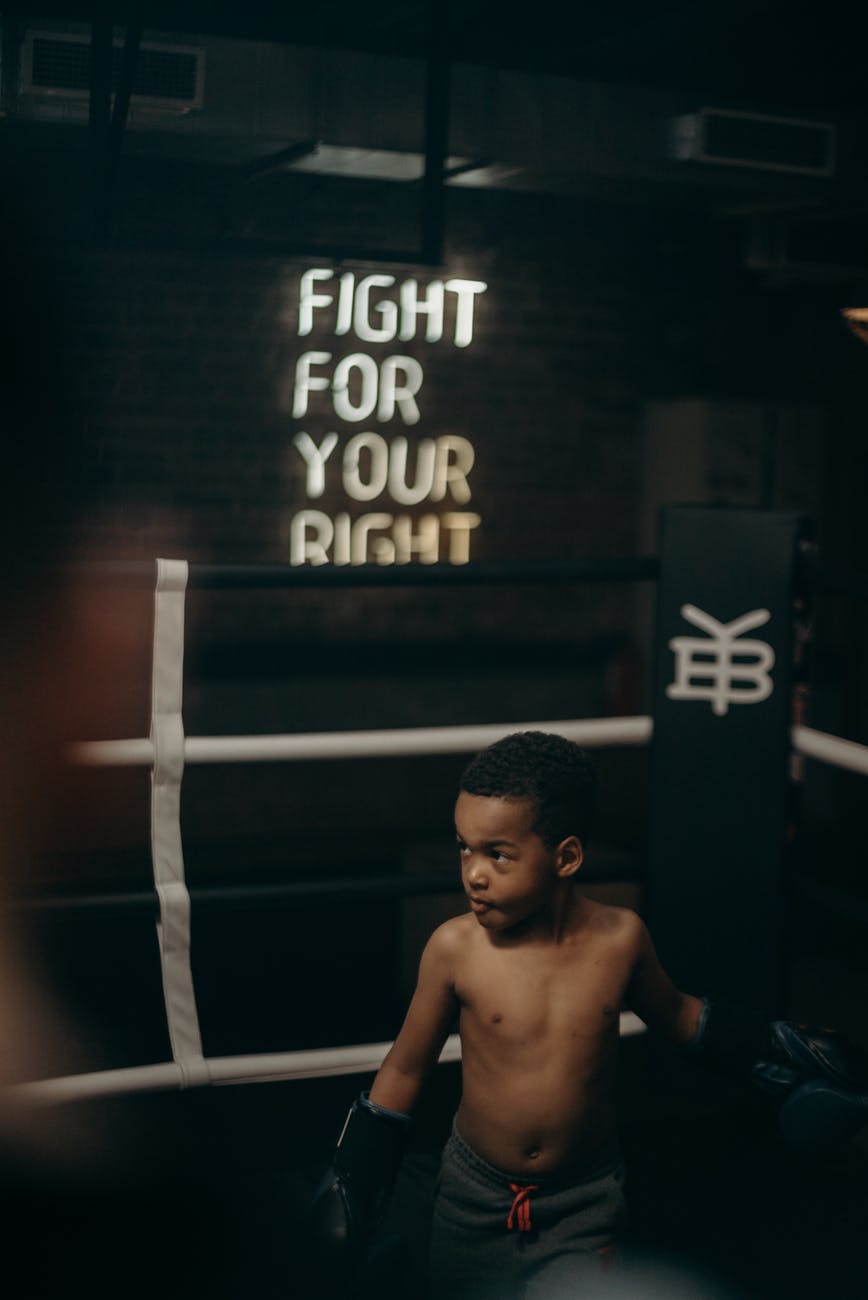
 M.O.B.B (Mothers of Black Boys) Talk